A major drive to acknowledge structural and regulatory processes in the health sector that expose people with alcohol and other drug (AOD) challenges to stigma and discrimination has been launched.
The Raise It campaign, led by North Western Melbourne Primary Health Network (NWMPHN), arises from sector-wide consultations revealing that patients living with AOD issues often find it difficult to discover or access treatment options because of biases baked into the system.
“Stigma occurs in all kinds of health settings and is a significant barrier that prevents people receiving care,” says Christopher Carter, NWMPHN chief executive.
“It is embedded in organisational practices, regulatory and funding structures, and broader societal narratives. It is a systemic issue.”
Consultations with doctors, nurses, pharmacists, counsellors, substance use experts and people with lived experience of AOD use revealed that structural and cultural narratives sometimes result in misconceptions and stereotypes.
These attitudes – often unconscious – create additional barriers to care. This makes life harder for patients and families, health professionals, and ultimately society as a whole.
“Alcohol and other drug issues manifest in all types of people, and none are protected from stigma,” says Mr Carter.
“Addressing this requires coordinated action across multiple levels, and that is what we hope to achieve with the Raise It campaign.
“Our research indicates that meaningful change occurs only when interventions align across systems, when team culture, practice environments, funding models, training, and patient engagement strategies reinforce one another.
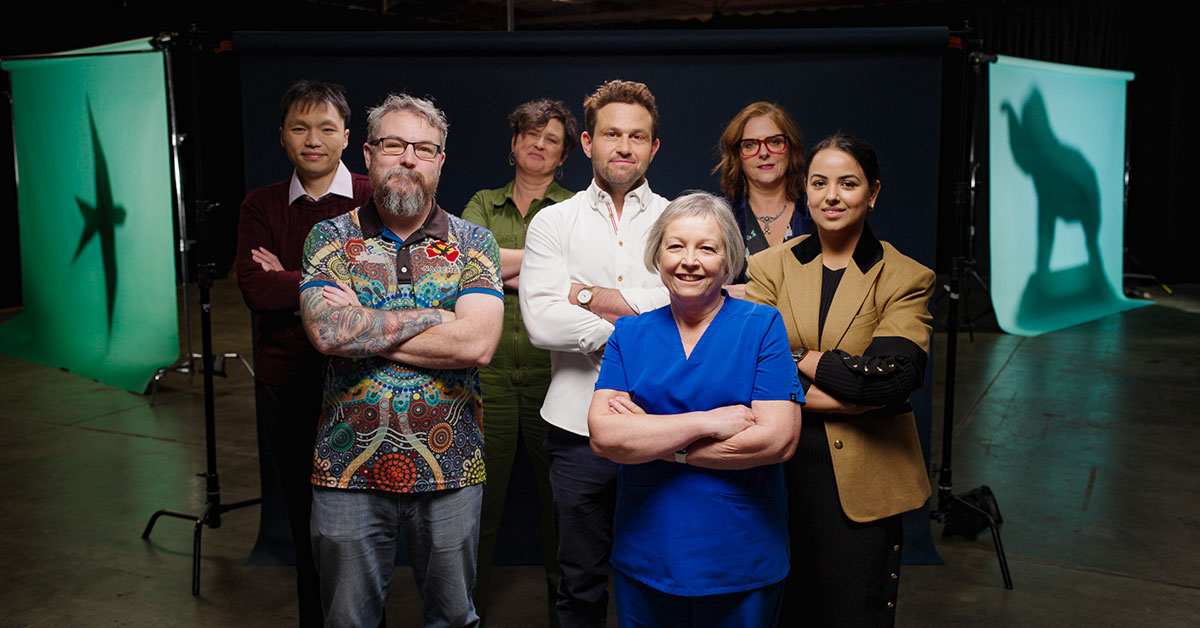
Insights and reflections from health professionals working in the field are a central pillar of this work. The Raise It website features videos in which dozens of health professionals from across Melbourne’s CBD, northern and western suburbs reflect on their experiences, their assumptions, and the lessons their work has taught them.
In one, for example, we hear from Rachel Philip, a senior practitioner with The Zone, an AOD program commissioned by NWMPHN.
“Drug and alcohol issues affect anyone, across the board,” she says.
“It could be a corporate executive, a put-together mum, a teenager who has mastered the art of hiding their pain. Substance abuse challenges cross any boundary, I think.
“It could be race, income, education. Someone with a stable job, stable housing, or someone struggling visibly on the street.”
The short films reveal the commonalities and compassion that underpin AOD best care, and how these apply in all communities regardless of socioeconomic status.
The website also contains multiple toolkits and support packages compiled by NWMPHN and partner organisations, providing education and practical resources for GPs, pharmacists, nurses, AOD and mental health workers.
More resources will be added as partners contribute and NWMPHN commissions new interventions, expanding the site into a fully functional hub for all primary health care professionals.
The Raise It campaign is endorsed by several frontline and expert organisations, including the Victorian Alcohol and Drug Association, The Pharmaceutical Society of Australia, The Royal Women’s Hospital, Harm Reduction Victoria, Youth Projects, Orygen and the Youth Support + Advocacy Service (YSAS).
“Stigma is a complex issue, and behaviour change takes time,” said Jag Dhaliwal, NWMPHN executive director of service development and reform.
“This campaign is part of an ongoing effort from NWMPHN and its partners to achieve better care for people who need it most.
“From the reception desk to the coordination of complex care, everyone has a role to play in reducing stigma and discrimination.”
“Working together to raise the subject of alcohol and other drugs in a supportive way means every interaction can nurture connection and promote wellbeing. And that means we all benefit: patients, staff, families and the neighbourhoods in which we all live.”
Stakeholders can access the Raise It communications pack at nwmphn.org.au/raise-it to view a range of posters, social media tiles and stickers. NWMPHN encourages to use these across your platforms.
For more information contact:
Brendan Park
Director Strategic Relations
NWMPHN
comms@nwmphn.org.au