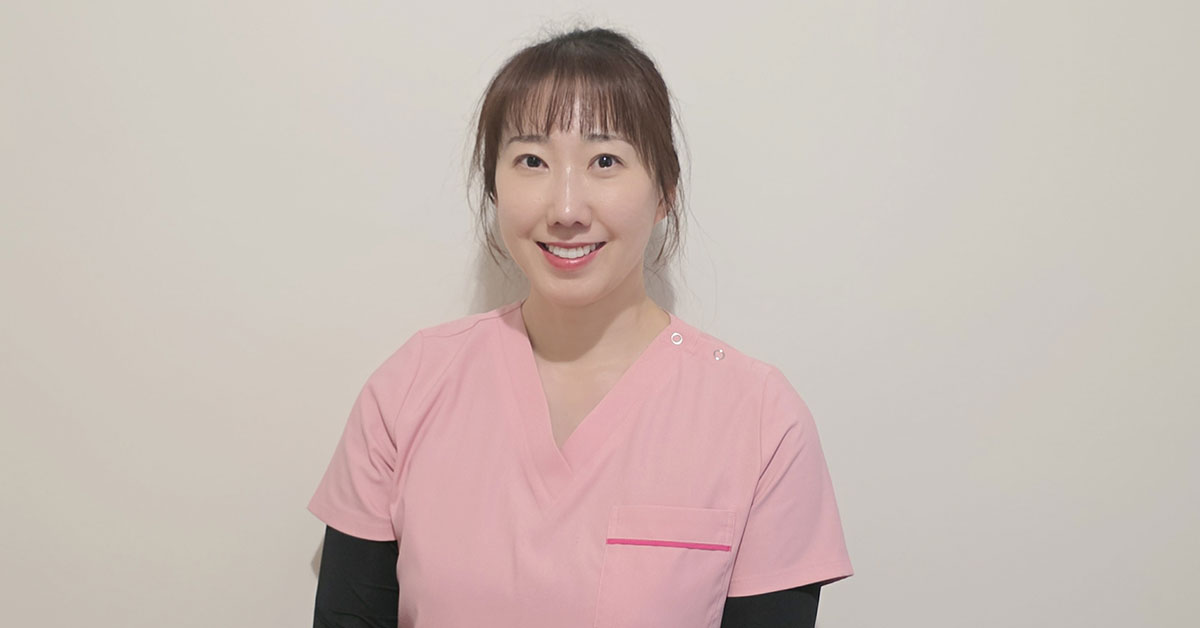
Over her time at West View Medical Centre in Werribee, Lauren Hwang has seen the role of practice nurses expand considerably.
“Practice nurses are increasingly leading nurse-led clinics, and they are now heavily involved in chronic disease management, care planning, health assessments, preventative health screening, and health promotion,” she says.
“There is a much greater emphasis on evidence-based practice, clinical reasoning, and independent patient assessment.
“There has also been a stronger focus on multidisciplinary collaboration and addressing social determinants of health, particularly in community and primary health settings. With workforce shortages and growing demand, practice nurses are taking on more responsibility to improve access and continuity of care.”
This broadening of responsibilities corresponds well with Lauren’s professional interests.
After completing her Bachelor of Nursing in 2017 she began her career in acute clinical settings. This, she says, was very valuable, but her interests had always been in community-based and preventative care.
“I found myself increasingly drawn to primary health care, where I could build ongoing therapeutic relationships and focus on health promotion, chronic disease management, and early intervention,” she says.
“So, I transitioned into primary health nursing to work more holistically with patients and families.
“I have worked with diverse and often vulnerable populations, providing care in areas such as chronic disease management, preventative health screening, immunisations, care coordination, and patient education.”
Working in primary health, she adds, means always looking beyond immediate clinical concerns. It includes considering the social, cultural, and environmental factors that impact a person’s wellbeing.
This means getting to know patients across their lifespan, and acknowledging them as partners in their own treatments.
“I particularly value the continuity of care we can provide,” she says.
“Being able to see a patient’s progress, support them through challenges, and empower them to take an active role in their health is incredibly rewarding.”
It’s also a prime example of best practice. Werribee is an area with comparatively high proportions of people with complex health conditions. NWMPHN’s latest health needs assessments also found the region to contain significant pockets of social and economic disadvantage.
“Common presentations include chronic disease management, such as pain management, diabetes, cardiovascular risk factors and asthma,” says Lauren.
“These align with the broader population health profiles in the area.
“Mental health concerns, including anxiety and depression, are also frequent reasons for engagement with primary health services, reflecting the importance of psychosocial support alongside physical health care.”
The clinic operates on a highly collaborative team structure – recognising that multidisciplinary approaches deliver optimal support for patients with complex conditions. The team, often through Lauren, also looks externally to link patients with other resources.
“We often support people with complex care needs who benefit from coordinated services, including allied health referrals, support for lifestyle modification, and health promotion activities,” she says.
“Addressing these needs through holistic, person-centred care is a key focus of our practice in this community setting.”
Lauren joined NWMPHN’s General Practice Expert Advisory Group in 2024, responding to an expression of interest published in one of the organisation’s sector-focused newsletters.
“I saw it as an important learning opportunity,” she explains.
“Being part of the group allows me to broaden my understanding of primary health care reform, commissioning processes, and regional health priorities. I value opportunities that expand my leadership capacity and deepen my contribution to improving access, quality, and equity in primary care.”
Lauren is currently undertaking postgraduate studies toward nurse practitioner endorsement. During her time in the group Lauren has worked with her colleagues to promote the value of nurse practitioners and encourage their integration across the sector.
“It would also be valuable to discuss sustainable funding models, scope of practice optimisation, and strategies to increase awareness and understanding of the nurse practitioner role among both health care professionals and the community,” she adds.
If asked, would she encourage other practice nurses to join the GPEAG?
“Absolutely!” she says. “I believe nursing representation in advisory groups is crucial to ensuring that decisions reflect multidisciplinary practice and truly support patient-centred care.”
Current activities
GPEAG meets four times a year. At the most recent meeting members shared achievements including successful measles vaccination initiatives, growing and effective use of AI tools to support clinical care and administration, and positive developments in registrar supervision and workforce capability.
Updates highlighted valuable sector insights, progress in care planning models, and important work underway to support women’s health services and population screening projects. The group reflected on a productive 2025 year of advocacy and support, including supporting the introduction of the bulk billing incentive, accreditation assistance, targeted recruitment resources, and the introduction of a practice manager mentoring program.
The group also contributed constructive solutions to enhance system integration, supporting clearer communication between primary care, urgent care clinics, and hospitals through improved referral information, education sessions, and shared resources.