Doctors in Secondary Schools (DiSS) GPs and practice nurses work closely with the broader school staff, helping to build a holistic approach to student health and welfare.
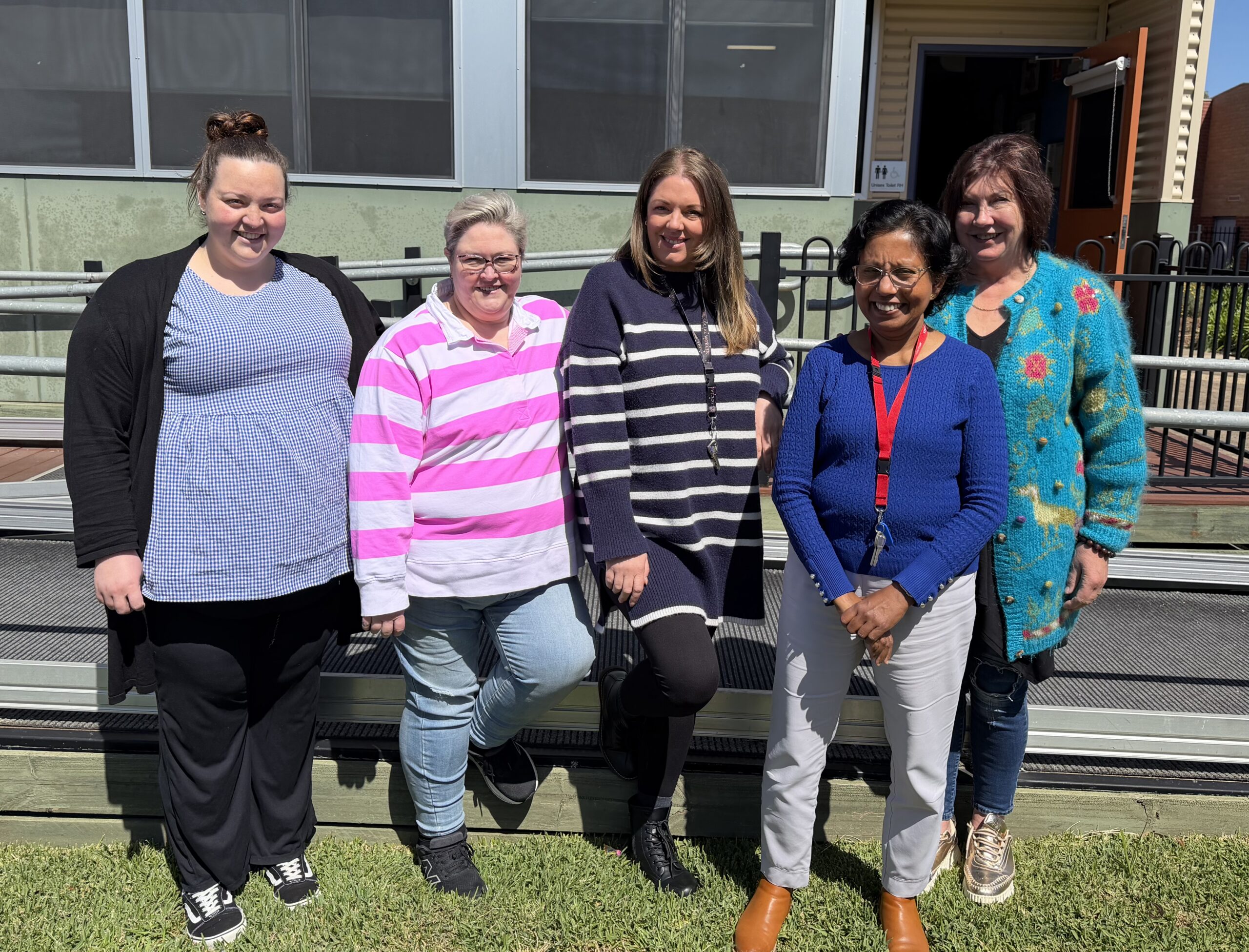
We recently spoke to the assistant principal and social worker at Kurunjang Secondary College in Melton. They told us about how they promote the weekly DiSS clinic, how they make students feel supported, and offered some advice for new school program leads.
Melanie Hayward, assistant principal and DiSS school program lead
Question: How do you work with the GP, practice nurse, and wellbeing team to support students?
Answer: At Kurunjang Secondary College the majority of our DiSS referrals come via our wellbeing and house teams. This allows a full appointment list that gets shared with the practice nurse prior to the day, and then for a discussion with the GP and nurse on the morning of appointments.
Our social worker and first aid officer attend this meeting to share knowledge of students who have requested an appointment and any known difficulties. At the end of the clinic day, another check-out meeting occurs so the wellbeing team can continue supporting students in the following week, should young people visiting DiSS require further check-ins and ongoing care.
Over time, we have built an extremely positive relationship with clinic staff. We celebrate our clinic support each year at a thank you lunch, which also allows us to check in on our partnership and ensure we meet the needs of everyone involved. North Western Melbourne Primary Health Network has been a significant supporter of the partnership. Communication with all those involved has ensured a long-term positive way to work together.
Q: What challenges have you faced in coordinating the program, and how have you overcome them?
A: We have experienced changes in partnership previously. Changing clinics meant we did need to adapt to different ways of working. We’ve had our current partner for years, and the continuity of regular service providers has meant consistency of service for our extremely vulnerable young people. This ensures positive connection to services and wonderful outcomes for the students we support.
Regular review meetings are essential to ensure communication. When the program was launched at our school we did think we would have parent concerns about it. However, in the end, we can count on one hand the phone calls and follow up from parents regarding children’s access.
Q: How do you collect or respond to student feedback about the DiSS clinic?
A: We’re in the fortunate position where our young people are eager to see the DiSS staff, have positive experiences and do not hesitate to attend an appointment. All our young people are taken over to the clinic by a staff member when it is time for their appointment (our building is in an out of bounds area currently) and this allows students to express their views on the clinic. We currently do not seek additional formal feedback. Given we are always full, we see this as feedback enough that our young people are not hesitating to attend.
Q: What advice would you give to a new school program lead starting in the DiSS program?
A: Visit with other schools who have this initiative and don’t re-invent the wheel. We have been doing this for more than seven years and other schools have been doing this for some time too. Discuss how appointments work, sharing of information, promotion activities, the role of program lead and what that entails. The benefits for our school community have been much greater than we ever thought when we first began this initiative.
Chelsea Misiti, social worker
Q: How do you promote the DiSS clinic?
A: We use a range of approaches and ensure students are aware of the support available to them. Information about the clinic is regularly shared through Compass, student bulletins and school newsletters.
We have also held open days during lunch, providing students with an opportunity to walk through the clinic, familiarise themselves with the space and meet the staff in a relaxed and welcoming environment. This helps reduce any uncertainty or anxiety students may have about accessing the service.
To further encourage engagement, we have provided food and goodie bags during promotional activities. These strategies aim to make the clinic feel accessible, familiar and approachable, particularly for students who may be hesitant to seek support.
Q: How do you approach conversations with young people who are refusing school due to external stressors and mental health concerns?
A: When a young person is finding it difficult to attend school, it is important to explore what may be contributing to their difficulties.
At our school, the DiSS clinic provides an important support pathway for students who may be experiencing some challenges. Conversations can focus on listening, validating the young person’s concerns and helping them identify what support they need, rather than simply focusing on attendance.
A meeting with the parent and student is organised and the student is encouraged to speak with a trusted wellbeing staff member, who can support them to access the DiSS clinic where appropriate.
The GP can provide a confidential and supportive space to discuss physical and mental health concerns and, where needed, assist with referrals and further support. The key message for young people is that you don’t have to manage things on your own. Reaching out for support is an important first step.
Q: What strategies have been most effective in encouraging student engagement?
A: Relationships and trusted staff are the key to engagement. Students are more likely to access the clinic when they are encouraged by a staff member they know and trust. Providing a welcoming, non-judgemental environment and allowing students to ask questions at their own pace has helped build confidence in using the service. A combination of consistent communication, positive experiences, familiar faces and reducing barriers to access has been most effective in encouraging students to engage with the DiSS clinic.
Q: How do you support students to access DiSS confidentially and comfortably?
A: We prioritise creating a private and discreet pathway for students accessing the DiSS clinic. Students can speak with wellbeing staff or the sick bay officer about their concerns, and we provide support to connect them with the clinic without drawing unnecessary attention to their visit.
We focus on making the DiSS clinic feel safe, welcoming and accessible for all students. We offer healthy food and drinks for students to access whilst waiting.
Wellbeing staff can have informal conversations with students about the clinic, show them the space and explain what to expect and support them through the referral or appointment process.
Where appropriate, we can accompany students to the clinic or help them make contact with the service, particularly if they are feeling anxious or unsure about accessing support for the first time.
Building familiarity with the clinic through our open days has also helped students feel more comfortable with the environment and staff.